
Six Kalamas/Supplications
Six Kalamas – Learn the 6 Kalimas of Islam Online
The Six Kalamas are the six short declarations of faith that every Muslim is encouraged to learn, understand, and recite. They summarize the core beliefs of Islam in simple words: the oneness of Allah (Tawhid), the prophethood of Muhammad ﷺ, glorifying Allah, seeking forgiveness, and staying away from disbelief and shirk.
At Online Quran Academy01, we teach the Six Kalamas with Arabic text, correct pronunciation (tajweed), word-by-word translation, and meaning through live one-on-one online classes. Whether you are a parent looking for a 6 Kalmas course for kids or an adult who wants to memorize and understand the Kalimas properly, our qualified male and female tutors will guide you step by step.
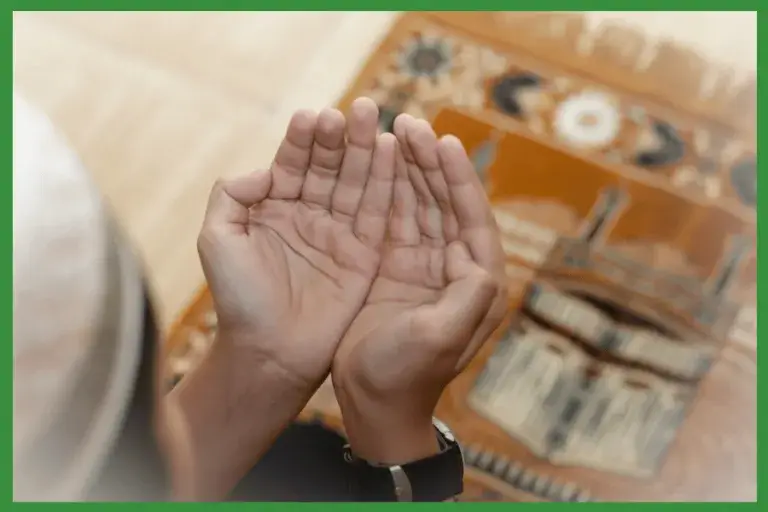
What Are the Six Kalamas of Islam?
The 6 Kalimas of Islam are memorized by millions of Muslims across the world, especially in South Asia, as a first step in Islamic education for children. Each Kalima is a short, powerful statement about faith:
- Kalima Tayyab – The declaration of faith
- Kalima Shahadat – The testimony of faith
- Kalima Tamjeed – The glorification of Allah
- Kalima Tauheed – The affirmation of Allah’s oneness
- Kalima Istighfar – Seeking forgiveness
- Kalima Radde Kufr – Rejecting disbelief and shirk
Learning them is easy with the right teacher — and understanding what you are reciting transforms them from memorized words into a living connection with Allah.
Why Should You Learn the Six Kalamas?
- Strong foundation of faith: The Kalimas summarize what a Muslim believes about Allah, the Prophet ﷺ, and repentance.
- Correct pronunciation from day one: Arabic words are easy to distort when self-taught; a live tutor corrects your recitation in real time.
- Understanding, not just memorization: Our course teaches the meaning of every word, so the Kalimas become part of your heart, not only your memory.
- Ideal for kids and new Muslims: Simple, structured lessons designed for young learners and beginners of any age.
- Daily practice for life: The words of the Kalimas — SubhanAllah, Alhamdulillah, Astaghfirullah — are dhikr you can carry into your daily routine.
What You Will Learn in Our Six Kalamas Course
1. Accurate recitation (tajweed basics)
- Letter-by-letter guidance until every Kalima is recited correctly.
2. Word-by-word meaning
- Understand each word of the Kalima Tayyaba, Kalima Shahadat, and the rest, in simple English or Urdu.
3. Memorization made easy
- Repetition-based, one-on-one practice suitable for children and adults.
4. Context and significance
- What each Kalima means in a Muslim’s life and when to recite its words as dhikr..
5. Related daily duas and dhikr
- Strengthen the foundation with morning and evening remembrance.
Why Choose Online Quran Academy01?
1. Qualified male and female teachers
trained in Arabic recitation, Islamic Studies and Fiqh, including experienced male and female teachers for children.
2. One-on-one live classes
on Zoom or Teams, at times that fit your schedule — ideal for students in the UK, USA, Canada, Australia, and Pakistan.
3. Flexible scheduling
across time zones — morning, evening or weekend slots before and after school and work.
4. Progress tracking
regular feedback and revision until every Kalima is perfect.
Build a Complete Foundation
Pair this course with our Basic Noorani Qaida course to start reading the Quran, or Nazra and Tajweed Quran if you’re ready to focus on proper recitation.
See our Fee & Plans for flexible options.
Six Kalamas — Frequently Asked Questions
What are the Six Kalamas?
The Six Kalamas (also called the Six Kalimas) are six short Islamic declarations: Kalima Tayyibah, Kalima Shahadat, Kalima Tamjeed, Kalima Tawheed, Kalima Istighfar and Kalima Radd-e-Kufr. Together they summarise the beliefs of Islam — the Oneness of Allah, the Messengership of Muhammad ﷺ, glorification of Allah, repentance, and rejection of disbelief and shirk.
What is the first Kalima in English?
The first Kalima (Tayyibah) is: “There is no god worthy of worship except Allah, and Muhammad ﷺ is the Messenger of Allah.” Its transliteration is Laa ilaaha illallaahu Muhammadur Rasoolullaah.
Is the Shahada the same as the first Kalima?
They are closely related but not identical. Kalima Tayyibah states the belief; Kalima Shahadat adds “I bear witness”, making it a personal testimony. When a person accepts Islam, the words of the Shahada are what they declare.
What is the fourth Kalima?
The fourth Kalima is Kalima Tawheed — the declaration that Allah is One with no partner, that the kingdom and all praise belong to Him, that He gives life and death, that He is Ever-Living and will never die, and that He has power over all things.
What is the sixth Kalima and why is it recited?
The sixth Kalima, Radd-e-Kufr, is a prayer seeking refuge from associating partners with Allah and a declaration of disowning disbelief, shirk, lying, backbiting, innovation, slander and all disobedience. Many Muslims recite it in the morning and evening as a protection for their faith.
Do the Six Kalamas have to be recited in order?
The traditional teaching order is Tayyibah, Shahadat, Tamjeed, Tawheed, Istighfar and Radd-e-Kufr — and this is the order used in our course because it moves from belief to testimony to glorification to repentance. However, the six are individual dhikr and duas, so they are valid and beneficial if recited in any order.
Are the Six Kalamas in the Quran?
The Kalimas are not a single chapter of the Quran. Their phrases are drawn in part from Quranic verses and from hadith — for example, the declaration in the first Kalima mirrors the Quranic command “Know that there is no deity except Allah” (Qur’an 47:19). The Six Kalamas as a set are a traditional compilation taught across Muslim communities.
Can children learn the Six Kalamas online?
Yes — the Kalimas are the ideal online lesson for children because they are short, repetitive and easy to reward. Our teachers use repetition, audio and simple question-and-answer so children aged 4 and above can memorise the Kalimas correctly in short, live one-on-one sessions.
How long does it take to memorize the six Kalimas?
Every learner is different, but because each Kalima is short, most beginners memorise them one at a time with a few minutes of daily practice. Children usually need more repetition; adults who study the meanings alongside the words often progress faster. Our teachers set an individual schedule at your free trial class.
Are the Six Kalamas compulsory in Islam?
The Kalimas are not counted as a separate pillar of Islam, but their content is essential: the Shahada is the declaration of faith itself, and the other Kalimas are highly recommended dhikr and duas that strengthen Tawheed and repentance. Learning them is one of the most common first steps in Islamic education.